
Homeowner Guides
Fall Plumbing Checklist for Lincoln, NE Homeowners
This fall plumbing checklist covers what Lincoln, NE homeowners should fix before Nebraska’s freeze-thaw season turns a small leak into a burst pipe — plus the roof, gutter, and yard problems worth a look while you’re at it.
Next Plumbers · Homeowner Guides · 10 minute read

Licensed
& Insured
Local
Lincoln, NE Owned
Fast
Response Times
Upfront
Pricing
Quick-reference fall plumbing checklist:
|
Problem |
Category |
September Fix |
|---|---|---|
|
Outdoor spigots & hose bibs |
Plumbing |
Disconnect hoses and insulate before the first hard freeze |
|
Sump pump not tested |
Plumbing |
Test now, before fall rain and spring thaw stress it |
|
Water heater sediment buildup |
Plumbing |
Flush the tank before heavier winter usage begins |
|
Sewer line root intrusion |
Plumbing |
Camera inspection before ground freezes over problem areas |
|
Un-winterized irrigation lines |
Plumbing |
Professional blowout before the first freeze |
|
Clogged gutters & downspouts |
Roof |
Clear debris now, before fall leaf drop doubles the load |
|
Foundation hairline cracks |
Structure |
Seal before freeze-thaw cycles force them wider |
|
Overhanging or dead limbs |
Yard |
Trim or remove before winter storm load |
Most winter plumbing emergencies in Lincoln do not start in winter. A burst outdoor spigot, a failed sump pump, or a sewer line backup almost always begins as a small, ignored warning sign back in September — one mild month before Nebraska’s freeze-thaw cycle turns it into a middle-of-the-night call. This fall plumbing checklist walks through the exterior and plumbing systems worth checking this month, starting with the ones most likely to cause a real problem once temperatures drop.
Why September Is the Best Month to Get Ahead of a Nebraska Winter
Lincoln’s weather gives homeowners a narrow, useful window: warm enough for pipe insulation and sealants to be installed properly, dry enough to test outdoor systems, and early enough to book a plumber before winter emergency calls back up scheduling. Next Plumbers has been helping Lincoln homeowners get ready for winter for years, and our licensed Plumbers in Lincoln NE can complete a full fall inspection in a single visit.
| You beat the first hard freeze Water left in an outdoor spigot, hose, or irrigation line expands when it freezes — often enough to crack the pipe itself. Lincoln’s average first fall freeze lands in early-to-mid October, so September is the last fully safe month to get ahead of it. | Sump pumps get tested before they’re needed Fall rain and spring snowmelt are when a sump pump works hardest. September is the time to confirm it still runs — not the night of a storm. |
| Scheduling is easier Plumbers get busiest with emergency calls once the first freeze hits. Booking a fall inspection in September usually means faster scheduling and no overtime rates. | Small leaks are cheap; frozen pipes aren’t A dripping spigot is a five-minute fix. A pipe that freezes and bursts behind a wall is a water-damage claim. The gap between those two outcomes is often just a few weeks of timing. |
Your Fall Plumbing Checklist: Problems to Fix Before Winter
These are the exterior-adjacent plumbing systems most likely to cause a genuine emergency once Lincoln’s temperatures drop — and the ones most worth having a licensed plumber check now.
1. Outdoor Spigots and Hose Bibs
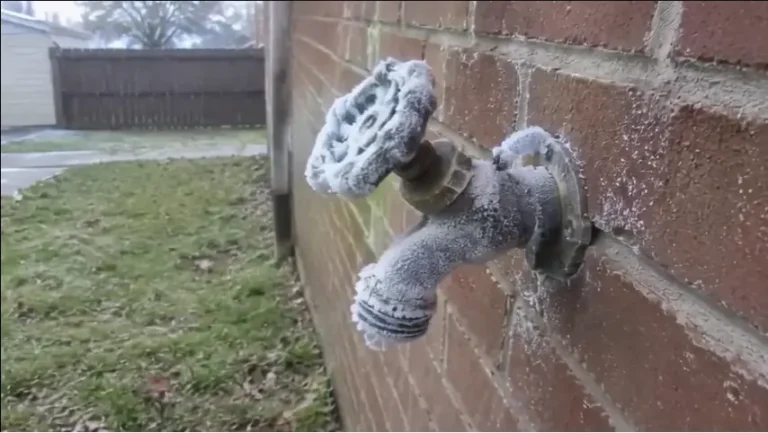
An outdoor spigot with a hose still attached cannot drain properly, which means water sits in the line right where it’s most exposed to cold. That trapped water is the single most common cause of a frozen and burst outdoor pipe in Lincoln homes.
| Look for | Hoses still connected, a spigot that drips after the valve is closed, no visible insulated cover, cracks from last winter that were never addressed. |
| DIY or pro | Disconnecting hoses and adding a foam spigot cover is DIY. If your home doesn’t have frost-free spigots, or a spigot already drips, that’s worth a plumber’s visit before the cold hits. |
A spigot that never fully shuts off is often a sign of a slow leak elsewhere in the line — our leak detection service can trace it before it causes hidden damage.
Not sure if your spigots are frost-free rated?
2. Sump Pump Not Tested
A sump pump that hasn’t run since spring is untested equipment. Lincoln’s fall rain, followed by spring thaw, are exactly when a basement is most likely to flood — and exactly when you find out the hard way if the pump has failed.
| Look for | Pump doesn’t activate when water is poured into the pit, unusual grinding or rattling sounds, a battery backup that hasn’t been checked in over a year. |
| DIY or pro | Pouring a bucket of water into the pit to test activation is DIY. Any pump that fails to activate, runs constantly, or has no battery backup should be evaluated by a plumber before the rainy season. |
Already dealing with water where it shouldn’t be? See our step-by-step guide on what to do when your basement floods.
A failed sump pump during a storm means a flooded basement.
3. Water Heater Sediment Buildup
Lincoln’s hard water leaves mineral sediment at the bottom of every water heater tank. That buildup makes the unit work harder, shortens its lifespan, and is one of the leading causes of early water heater failure in Lancaster County homes — right before the season you need hot water most.
| Look for | Popping or rumbling sounds from the tank, water that takes longer to heat, discolored or metallic-smelling hot water, rust near the base. |
| DIY or pro | A visual check is DIY. Flushing the tank yourself is possible but easy to get wrong on an older unit — most homeowners have this done annually by a plumber as part of a fall service call. |
Not sure if your unit needs service or replacement? Check the warning signs in Signs Your Water Heater Is About to Fail, or see how long water heaters typically last in Lincoln, NE. Considering a replacement instead of a repair? Our gas vs. electric water heater guide breaks down the trade-offs.
Annual flushing adds years to a water heater’s life.
4. Sewer Line Root Intrusion
Tree roots actively seek out the moisture inside sewer lines, and Lancaster County’s clay soil makes shifting and cracking more common in homes over 20 years old. A slow drain or gurgling sound today can be a fully blocked line by winter, when frozen ground makes any dig-up repair far more difficult.
| Look for | Multiple slow drains at once, gurgling from toilets when the washing machine drains, sewage odor in the yard or basement, unusually green or lush patches of lawn above the line. For the full list, see our sewer line repair warning signs guide. |
| DIY or pro | This is not a DIY item. A camera inspection is the only reliable way to see what’s actually happening underground — and it’s far cheaper to schedule now than as an emergency repair in January. |
Multiple slow drains at once usually means a main line issue.
5. Un-Winterized Irrigation Systems
Water left sitting in irrigation lines after the season ends is one of the most preventable causes of a burst pipe once Lincoln’s first hard freeze arrives — and repairing buried irrigation lines mid-winter is both expensive and disruptive to the yard. The EPA’s WaterSense program also notes that a properly maintained irrigation system uses significantly less water year-round, so a fall shutdown is a good time for a broader system check.
| Look for | A backflow preventer without insulation, a system that hasn’t been blown out since it was installed, visible above-ground piping near the house. |
| DIY or pro | A basic manual drain-down is doable for some systems. Most residential systems need a compressed-air blowout, which is best left to a professional to avoid damaging the lines. |
A backflow preventer that freezes and cracks often goes unnoticed until the spring — our leak detection service can confirm it’s watertight before winter.
Irrigation blowouts fill up fast once the weather turns.
Get a full fall plumbing inspection before the first freeze
Next Plumbers checks spigots, sump pumps, water heaters, and sewer lines in one visit — so you’re not finding out something failed in the middle of a Nebraska cold snap. Want the full year-round routine? See our
Roof and Gutter Problems to Fix in September
Roof and gutter issues matter to plumbing too — a backed-up gutter or ice dam is one of the most common ways water ends up inside a wall, and eventually finds its way toward pipes and fixtures below. (Roof and structural repairs fall outside what a plumber handles — for those, work with a licensed roofer or contractor.)
6. Clogged Gutters and Downspouts
Summer growth and early leaf drop build up fast. Once gutters back up, water sheets down the siding instead of away from the house, and in cold snaps that trapped water is exactly what forms ice dams.
| Look for | Water spilling over the gutter edge during rain, sagging sections, staining on the fascia board below. |
| DIY or pro | DIY for a single-story home with a stable ladder. Multi-story homes are safer left to a gutter-cleaning pro. |
7. Loose, Cracked, or Missing Shingles
A single lifted shingle is a small repair in September. Left through a Nebraska winter of wind and ice, it’s usually how attic and ceiling leaks start.
| Look for | Curling shingle edges, granules collecting in the gutter, daylight visible through the attic roof deck. |
| DIY or pro | Ground-level visual inspection is DIY. Repairs on the roof surface belong to a licensed roofer. |
Foundation and Exterior Problems to Fix in September
The building envelope is the first line of defense against moisture reaching your foundation, crawlspace, and the plumbing lines that run through them.
8. Foundation Cracks
Not every crack is a red flag, but every crack should be sealed before winter. Water that sits in a crack and freezes expands with enough force to widen it — a cycle that repeats every cold snap all winter.
| Look for | Hairline cracks near corners or window wells; any crack wider than a nickel or with visible displacement warrants a closer look. |
| DIY or pro | Hairline cracks can be sealed with masonry filler as DIY. Wide or stair-step cracks should be evaluated by a foundation specialist. |
9. Gaps Around Windows, Doors, and Pipe Penetrations
Old caulk around exterior pipe penetrations does double duty — it lets cold air in and lets water track toward pipes that run through exterior walls, which are the pipes most likely to freeze first.
| Look for | Visible gaps where pipes pass through exterior walls, cracked or missing caulk lines, a draft near any exterior wall where plumbing runs. |
| DIY or pro | Recaulking is a beginner-friendly DIY project — a caulk gun and an afternoon cover most homes. |
Yard Problems Worth Fixing in September
A few yard issues are worth flagging because of how directly they affect drainage — and therefore how much water ends up near your foundation and buried lines.
10. Poor Yard Drainage
Grading problems are invisible until the ground is saturated — which is exactly when they matter most. Water directed toward the house instead of away from it is one of the most common causes of basement moisture and sump pump overload.
| Look for | Standing water more than 24 hours after rain, downspouts discharging within a few feet of the foundation. |
| DIY or pro | Downspout extensions are DIY. Regrading or a French drain is a landscaping or drainage contractor job. |
11. Overhanging or Dead Tree Limbs
A branch that looks fine in September wind can be the one that comes down on a roof — or a buried line — in a January ice storm.
| Look for | Branches within 6–10 feet of the roofline, bare or brittle limbs, visible cracks at branch unions. |
| DIY or pro | Small branches reachable from the ground are DIY. Anything near power lines or over the roof should go to a certified arborist. |
What Happens If This Waits Until Winter
The freeze-thaw chain reaction
It starts small: a hose left connected to an outdoor spigot traps water in the line. That water freezes, expands, and cracks the pipe — often behind a wall where the leak isn’t found until spring, or until a ceiling stain appears. The same pattern repeats with un-winterized irrigation lines, untested sump pumps, and sewer lines with early root intrusion — each one turns a low-cost September fix into a January emergency call, usually at a higher price and with a longer wait for a plumber.
Why Lincoln Homeowners Call Next Plumbers for Fall Inspections
Licensed & insuredEvery inspection and repair is performed by licensed plumbers familiar with Lancaster County’s hard water and clay soil conditions. Read more about Next Plumbers. |
Locally ownedWe’re based in Lincoln and know what a Nebraska winter does to unprotected spigots, sump pumps, and sewer lines. |
Upfront pricingYou’ll know the cost before any work begins — no surprise charges after a fall inspection turns up an issue. |
One visit, full checkSpigots, sump pump, water heater, and sewer line — all checked in a single fall service call. Contact us to schedule. |
Also serving nearby communities: Waverly, Hickman, Havelock, Bethany, and South Lincoln. See our full Lincoln, NE service area map.
Related Guides
More homeowner guides from Next Plumbers to go with this fall plumbing checklist:
- Plumbing Cleaning & Inspection Checklist — the monthly and six-month routine that pairs with this seasonal one.
- What to Do When Your Basement Floods — step-by-step guidance if a sump pump failure has already happened.
- Signs Your Water Heater Is About to Fail — the warning signs worth knowing before winter demand hits.
- Clay Soil Sewer Line Problems — why Lincoln’s soil is uniquely hard on buried pipe.
- 5 Secrets to Hiring Elite Plumbers in Lincoln, NE — what to ask before you hire anyone for fall repairs.
Frequently Asked Questions
Get ahead of winter with this fall plumbing checklist
Schedule a fall plumbing inspection now — spigots, sump pump, water heater, and sewer line, checked in one visit — before the first freeze puts any of it to the test.
Exterior maintenance needs vary by home age, soil, and roof condition. For plumbing, structural, or electrical items, always consult a licensed local professional.