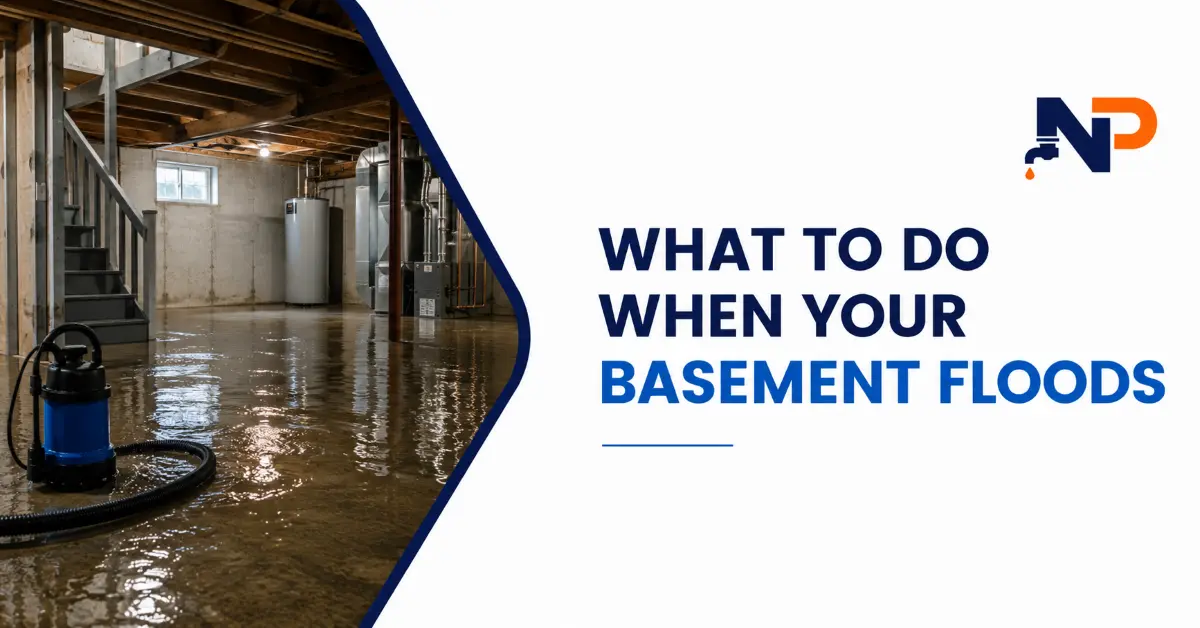
What to Do When Your
Basement Floods
A Step-by-Step Emergency Guide for Lincoln, NE Homeowners. Stay safe, stop the damage, and get the right help fast.
|
7 min read |
Lincoln, NE |
Updated June 2026 |
Dealing With a Flood Right Now?
Cut power to the basement immediately, then call Next Plumbers at
We’re available 24/7 for emergency plumbing in Lincoln, NE.
Discovering a flooded basement is every homeowner’s nightmare — especially when it happens fast. Knowing what to do when your basement floods can be the difference between minor water damage and a costly, weeks-long repair. If you’re dealing with basement flooding right now in Lincoln, NE, here’s exactly what to do. This guide on what to do when your basement floods walks you through every step.
Common Causes of Basement Flooding in Lincoln, NE
Before you can fix the problem, it helps to know where the water is coming from. In Lincoln, NE, basement flooding is most often caused by:
Nebraska weather brings heavy rain in short periods, overwhelming drainage systems and pushing water into basements through cracks or window wells.
If your sump pump stops working during a storm, water has nowhere to go. This is one of the most common causes of flooded basements in Lincoln homes.
Older Lincoln homes are especially prone to water seeping through foundation walls during ground saturation after heavy rain.
When municipal sewer lines get overloaded, wastewater can back up into your basement floor drain. This requires professional cleanup immediately.
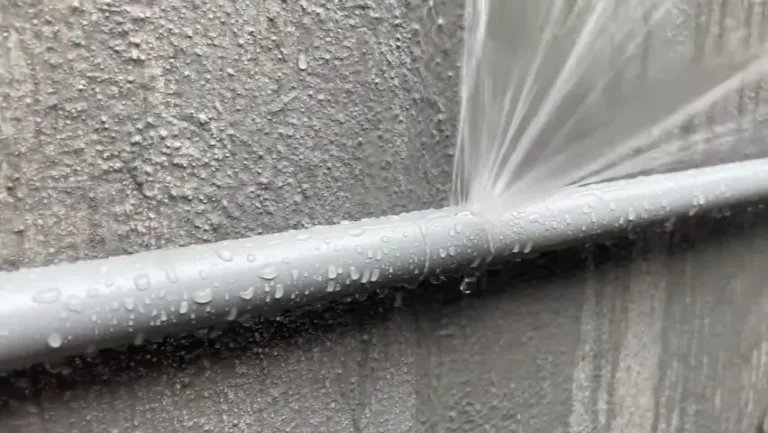
A cracked pipe behind a wall or under a slab can quietly release hundreds of gallons before you ever notice the damage.
Once you know the cause, the next question is simple: what to do when your basement floods, starting right now.
Step-by-Step: What to Do When Your Basement Floods
Stay calm. Work through this list in order.

1
Cut the Power Before Entering
If you’re wondering what to do when your basement floods, start here.
If water has reached any electrical outlets, appliances, or your electrical panel, do not step into the basement. Go to your main breaker box — which should be on a higher floor or outside — and cut power to the basement circuits. If you cannot safely reach the breaker, call an electrician before entering.
2
Identify the Water Source
Is water coming in through a window? Draining up from the floor drain? Spraying from a pipe? Knowing the source helps you decide your next move and gives your plumber critical information when they arrive.
3
Stop the Water if You Can
If a burst pipe causes the flooding, turn off your main water supply valve immediately. It’s usually located near the water meter — in Lincoln, NE homes, this is often in a utility room or near the front foundation wall.
4
Move Valuables to Higher Ground
If it’s safe to enter, move important documents, electronics, and irreplaceable items upstairs. Don’t waste time on furniture — focus on what can’t be replaced.
5
Start Removing Water
This is one of the most urgent parts of what to do when your basement floods — every hour without action increases damage. Use a wet/dry shop vac or a submersible pump to begin removing standing water. The faster water is removed, the less damage to flooring, drywall, and framing. Every hour matters with basement flood cleanup.
6
Ventilate and Dry the Space
Once water is removed, open windows, run fans, and use a dehumidifier. Mold can begin forming within 24 to 48 hours in a wet basement — especially during Nebraska’s humid summers. The EPA’s mold guidance outlines exactly how quickly mold spreads after water damage.
7
Document Everything for Insurance
Take photos and video of all damage before cleaning anything up. Your homeowner’s insurance claim will depend on this documentation. Don’t skip this step.
8
Call a Licensed Plumber
Once the immediate emergency is under control, a professional plumber needs to assess the cause and prevent it from happening again. Call Next Plumbers at (402) 402-6816 — available 24/7.
Available 24/7 — Day or Night
Next Plumbers is Lincoln, NE’s trusted emergency plumbing team. We’re dispatched fast and arrive ready to fix the problem at the source.
What NOT to Do When Your Basement Floods
Just as important as knowing what to do when your basement floods is knowing what to avoid:
Don’t Enter With Power On
Electrocution is a real risk. Always cut power at the breaker before stepping into any standing water.
Don’t Use a Regular Vacuum
It will be destroyed and won’t make a dent in significant flooding. Use a wet/dry vac or call a professional.
Don’t Pour Bleach Immediately
It feels productive but it’s not your first priority. Remove water and dry the space first before any cleaning.
Don’t Ignore the Smell
A sewage odor means your floor drain is backed up. This water contains harmful bacteria — requires professional cleanup.
Don’t Wait on Insurance
Most policies have time limits on water damage claims. Call your insurer the same day if possible.
When to Call a Professional Plumber
Sometimes, what to do when your basement floods means knowing your limits and calling in help. Some situations call for more than a shop vac and a prayer. Call a professional plumber immediately if:
How Next Plumbers Can Help After a Basement Flood
At Next Plumbers, we’re experienced Plumbers in Lincoln NE, and we’ve helped homeowners recover from basement flooding more times than we can count. If you’re still not sure what to do when your basement floods, here’s how we can help:
Our emergency plumbers in Lincoln, NE are dispatched quickly and arrive ready to diagnose and stop the problem at the source — not just clean up after it.
A working sump pump is your basement’s first line of defense against flooding. Knowing what to do when your basement floods often starts with making sure this system never fails. We install and service sump pumps built for Nebraska’s weather patterns.
The best fix is prevention — test your sump pump before fall rain hits, along with the rest of your home’s cold-weather-critical plumbing.
Our drain cleaning services clear buildup that causes backups, and we inspect sewer lines to catch problems before they become emergencies.
Frequently Asked Questions
Don’t Let One Flood Become a Recurring Problem
If you’re in Lincoln, NE and dealing with a flooded basement right now — or want to make sure it never happens again — Next Plumbers is ready to help. Licensed, local, and available 24 hours a day. Whatever stage you’re at, knowing what to do when your basement floods starts with one call.
“Knowing what to do when your basement floods today protects your home tomorrow.”