Winter Plumbing Checklist for Nebraska Homes Before the First Freeze
Is This a Plumbing Emergency? This checklist helps Nebraska homeowners find out, and prevent one before the cold arrives. Nebraska winters bring hard freezes, sudden cold snaps, and long stretches below zero. This checklist walks you through the steps that prevent frozen and burst pipes, from pipe insulation and outdoor spigot winterization to what to do if a pipe freezes anyway.

Winter Plumbing Checklist Nebraska: Start Here
Work through these three stages in order. Most frozen pipe emergencies start with a step that was skipped in the fall.
Before the First Freeze
- ☐ Insulate exposed pipes
- ☐ Winterize outdoor spigots
- ☐ Seal cold air leaks near pipes
- ☐ Test the sump pump
During a Cold Snap
- ☐ Let faucets drip on exposed lines
- ☐ Open cabinet doors under sinks
- ☐ Keep the heat on, even when away
- ☐ Check for slow flow or frost
Before Extended Travel
- ☐ Set the thermostat to 55°F or higher
- ☐ Locate and label the main shutoff
- ☐ Drain the water heater if leaving for weeks
- ☐ Arrange a check-in while you’re gone
Freeze Prevention Steps for Nebraska Winters
Freeze prevention is cheaper than any repair. These steps work for most homes in Lincoln, Waverly, Hickman, and the surrounding area.
- Find the pipes most at risk. Start with pipes along exterior walls, in crawl spaces, in unheated garages, and in attics. These are the first to freeze when temperatures drop.
- Seal cold air leaks. Caulk gaps around pipes where they enter the house, and close openings in the rim joist and crawl space vents when you can. Cold drafts drop the temperature around pipes fast.
- Open cabinet doors under sinks on exterior walls so warm room air reaches the plumbing.
- Let faucets drip during extended cold snaps. A slow drip on faucets served by exposed lines keeps water moving, which makes freezing much less likely.
- Keep the heat on, even when you’re away. Set the thermostat to 55°F or higher so the house stays warm enough to protect the pipes.

Freeze prevention works best when you combine these steps with a seasonal inspection from a reliable plumber in Lincoln. A technician can spot weak insulation, hidden leaks, and failing shutoffs before they turn into a January emergency.
Pipe Insulation: Where It Matters Most
Insulation slows heat loss from the pipe, which gives your home’s heat more time to keep water flowing. Focus on the locations that freeze first.
Exposed Pipes in Unheated Spaces
Install foam pipe insulation on supply and drain lines in crawl spaces, basements near exterior walls, garages, and attics. Wrap every exposed run, including the joints and elbows, because those spots lose heat fastest.
Water Supply Lines to Outbuildings
Lines running to a shop, shed, or barn are often buried shallowly and left unheated. Check the insulation and any heat tape before the first cold front, and replace damaged sections.
Pipes Near Exterior Walls
Plumbing tucked inside exterior walls can freeze even when the room feels warm. If a wall has no insulation, a plumber can advise on options that protect the line without opening the entire wall.
Outdoor Spigot Winterization Steps
An outdoor spigot that stays full of water is one of the most common causes of a frozen line that bursts inside the house. Winterize it before the first hard freeze.
- Disconnect the garden hose and store it indoors. Water left in the hose can freeze and push back into the spigot.
- Shut off the indoor supply valve to the spigot if your home has one. Look for it in the basement or crawl space, on the line that feeds the outside faucet.
- Open the outdoor spigot to drain any remaining water out of the line, and leave it open through winter.
- Cover the spigot with an insulated foam cover to reduce exposure to wind and frost.
- Check for frost-free hydrants. If your home has one, confirm it drains properly and that the shutoff is fully closed before the cold season.
If you’re not sure which valve feeds the spigot, a plumber can trace the line and label it for you. Labeling it now saves time during a cold-weather emergency.
Water Heaters and Sump Pumps: Winter Checks
These two systems work hardest in winter. A small check now prevents a larger failure when the house is cold and the basement is wet.
Water Heater
- ☐ Set the temperature to around 120°F for safe, efficient hot water
- ☐ Flush sediment if the tank rumbles or runs out of hot water early
- ☐ Check the base for drips, rust, or swelling
- ☐ Insulate the hot water lines that run through cold areas
Sump Pump
- ☐ Pour a bucket of water into the pit to confirm it switches on
- ☐ Clear debris from the intake and check the discharge line
- ☐ Confirm the discharge pipe drains away from the foundation
- ☐ Test the battery backup if your pump has one
For repairs, see our water heater repair service in Lincoln. Our guide on signs your water heater is about to fail explains which symptoms need a call before winter.
If a Pipe Freezes: What to Do Next
Is This a Plumbing Emergency? A frozen pipe is not always a burst pipe, but treat it as urgent until you know which one you have.

- Open the faucet served by the frozen line. Water pressure and flow help you judge the blockage and give meltwater a place to go.
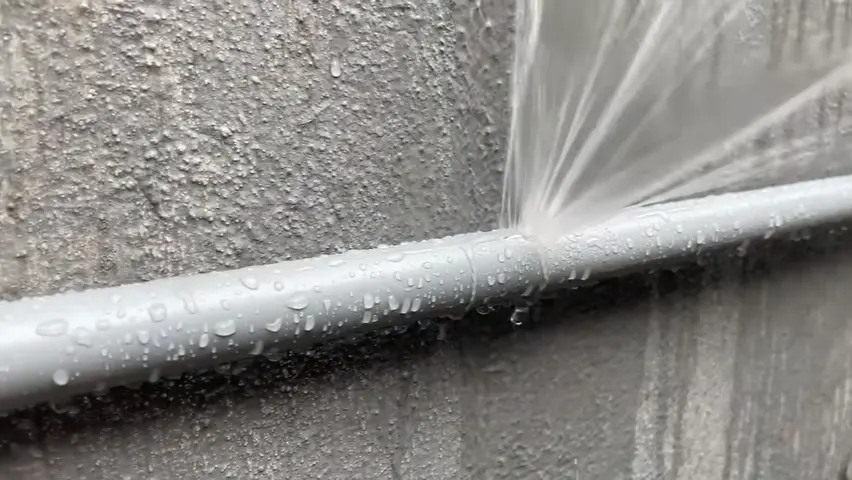
- Shut off the water at the main valve if you see water spraying, a bulge, or a crack. Then call for emergency service.
- Apply gentle heat with a hair dryer, a space heater placed well away from the pipe, or heated towels. Start at the faucet end and work toward the blocked section.
- Never use an open flame or a torch on a pipe, and never leave a space heater running unattended near plumbing.
- Watch for carbon monoxide. If you use a portable heater or a fuel-burning device to thaw pipes, make sure the area is ventilated. The CDC’s carbon monoxide guidance explains the warning signs.
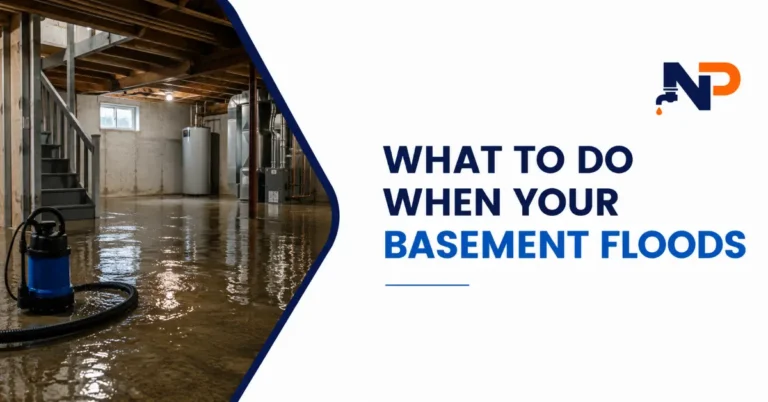
If the pipe has already burst, shut off the water, photograph the damage for your insurance claim, and read our guide on what to do when your basement floods.
Call a Plumber Before Small Problems Become Big Ones
Wondering whether it is a plumbing emergency? Some winter problems are DIY-friendly. Others need a licensed plumber the same day.
More Seasonal Plumbing Guides
These guides cover the same problems from different angles, so you can plan the full year.
Fall Plumbing Checklist for Lincoln Homeowners
The autumn tasks that set up a trouble-free winter, including gutters, hoses, and exterior faucets.
Polybutylene Pipe Problems in Lincoln Homes
Why older piping fails more easily in cold weather, and what the warning signs look like.
Winter Plumbing FAQs
Quick answers to the questions Nebraska homeowners ask most about winter plumbing.
Start in the fall, before the first hard freeze. Insulate exposed pipes, winterize outdoor spigots, and test your sump pump before the cold arrives.
Yes, during extended cold snaps. A slow drip on faucets served by exposed or poorly insulated pipes keeps water moving and reduces the chance of freezing.
Disconnect and drain the garden hose, shut off the indoor supply valve to the spigot if your home has one, open the outdoor spigot to drain any remaining water, and cover it with an insulated foam cover.
Open the faucet served by the pipe, shut off the water at the main valve if you see a leak or bulge, and apply gentle heat with a hair dryer or heated towels. Never use an open flame. If you cannot restore flow or you suspect a burst, call a plumber.
Need a Reliable Plumber in Lincoln Before Winter Hits?
Next Plumbers offers 24/7 emergency service and seasonal inspections from licensed Plumbers in Lincoln NE, across Lincoln, Bethany, South Lincoln, Havelock, Hickman, and Waverly. Learn how we work on our reliable plumber in Lincoln page.
📞 Call (402) 402-6816