Water Quality
Why Does Lincoln, NE Tap Water Smell or Taste Different Sometimes?
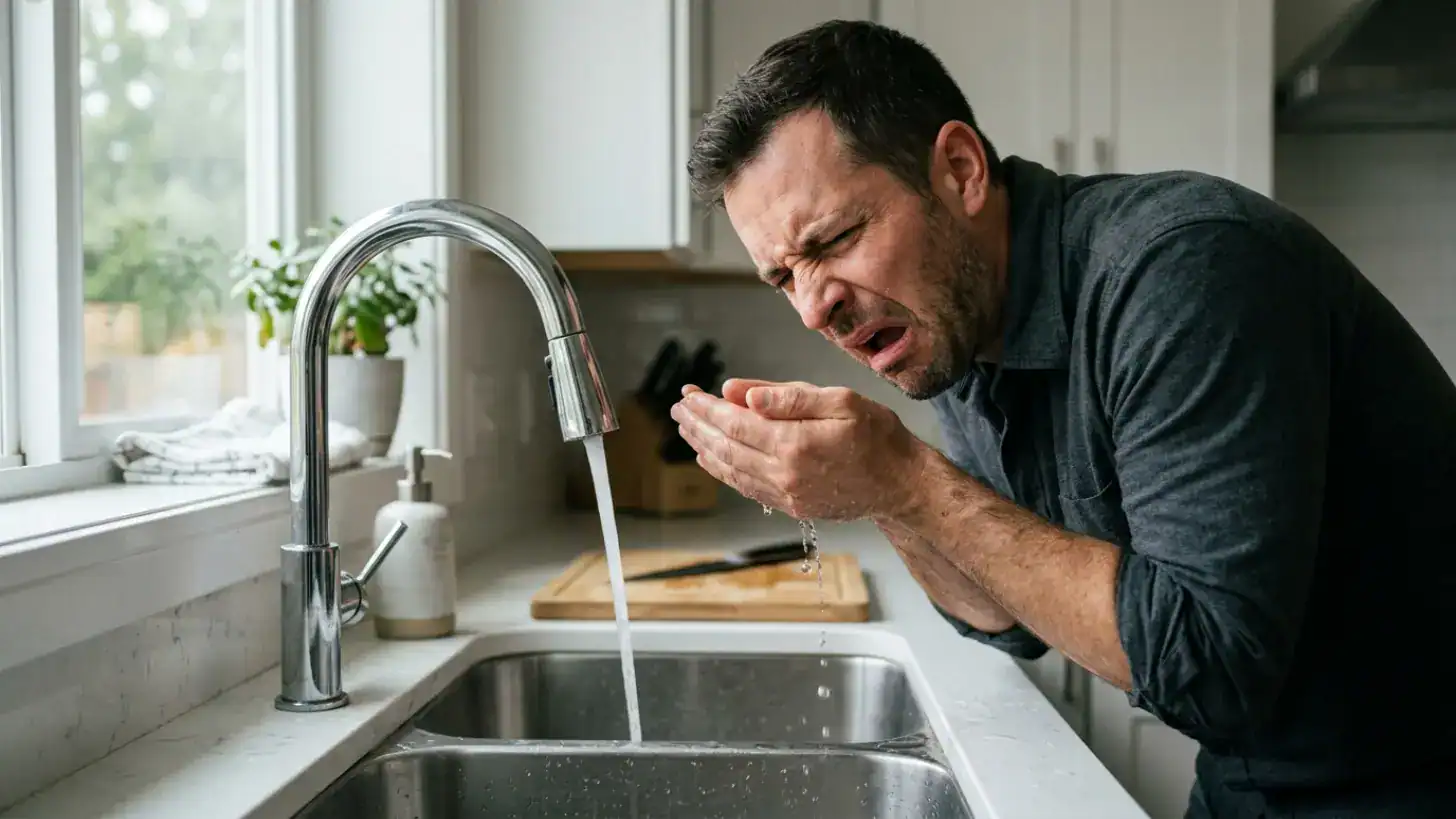
If your tap water has suddenly started tasting or smelling a little “off” — like a swimming pool, or something more sulfur-like — you’re not imagining it, and you’re not alone. Most of the time it’s harmless and explainable. The trick is knowing whether the cause is coming from the city’s treatment process, or from something happening inside your own home’s plumbing.
The most common cause: chloramine, not just chlorine
Most municipalities disinfect drinking water with plain chlorine. Lincoln does something slightly different — the city’s water is treated with chloramine, a combination of chlorine and ammonia. Utilities use it because it stays effective for longer as water travels through the distribution system, which means fewer places along the way for bacteria to grow.
Lincoln Water System publishes an annual drinking water quality report confirming this treatment approach, along with the specific disinfectant levels used each year — worth a look if you want the exact numbers behind what’s coming out of your tap.
The tradeoff is taste and smell. Chloramine tends to produce a more noticeable, sometimes bleach-like or “swimming pool” smell than plain chlorine, and unlike straight chlorine, it doesn’t dissipate as quickly if you leave a glass of water sitting out or in the fridge overnight.
Chloramine
Lincoln’s primary disinfectant is a chlorine-ammonia combination, not plain chlorine — this is the single most common reason for a persistent, pool-like smell in the water supply.
Why it’s worse at certain times of year
If you’ve noticed the smell comes and goes, seasonal changes are usually why. Warmer water carries odor compounds more noticeably than cold water, so the same chloramine level that goes unnoticed in January can seem stronger in July. Water utilities also sometimes adjust disinfectant levels seasonally to account for changes in water temperature and demand, which can shift the taste slightly throughout the year without anything being wrong.
When it’s your plumbing, not the city’s water
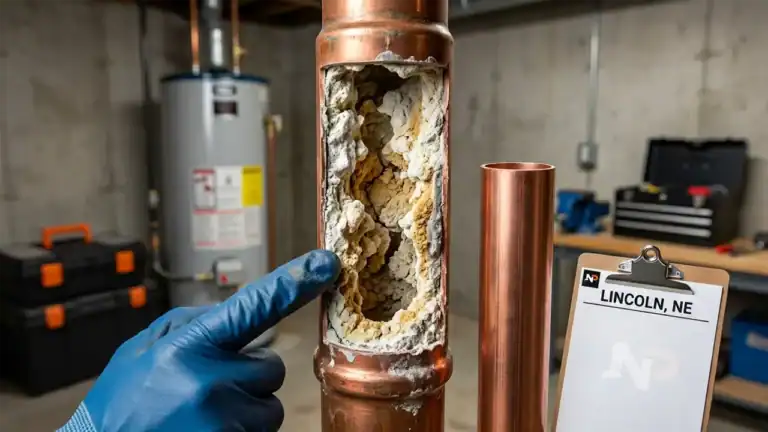
This is the part most water-quality articles skip, because most of the sites writing about Lincoln’s tap water are filtration companies focused on treating the water as it enters your home — not what happens to it once it’s already inside your pipes. A taste or smell issue can start well after the water leaves the city main.
What you notice
Faint bleach or “pool” smell, consistent across hot and cold water
Metallic taste, especially from one specific faucet
Musty or stale taste after the house has been empty a few days
Smell only in hot water, not cold
Likely source
City chloramine treatment — normal
Corroding galvanized pipe or fixture, localized to your plumbing
Water that sat stagnant in your home’s own pipes
Water heater issue — see below
Quick test: fill a glass from the tap and one straight from an outdoor spigot or hose bib, if you have one. If the smell is only indoors, it points to something in your home’s plumbing rather than the city supply.
The rotten-egg hot water smell — a water heater issue
If the smell shows up specifically in your hot water only, and your cold water is completely normal, the water heater is almost always the cause — not the city. Inside most tanks, the anode rod (the sacrificial rod that protects the tank from corrosion) can react with naturally occurring sulfate-reducing bacteria, producing hydrogen sulfide gas. That’s the classic rotten-egg smell.
This tends to show up more in homes with a water softener installed, tanks that sit unused for stretches (like a vacation home or a rarely-used guest bathroom), and tanks that are simply reaching the end of their expected lifespan. It’s a genuinely common issue, and it’s fixable — usually by flushing the tank or replacing the anode rod with a different alloy, not by replacing the whole unit.
If it’s only your hot water that smells different, the city’s water treatment almost certainly isn’t the cause — the water heater is.
When to actually be concerned
Most taste and smell changes are cosmetic, not dangerous — but a few signs are worth taking seriously and getting checked rather than waiting out:
Signs worth a closer look
- Visible discoloration alongside the smell — brown, yellow, or cloudy water, not just an odor
- A sudden, sharp change rather than a gradual one, especially after nearby construction or utility work in your neighborhood
- A smell that started after new plumbing work in the home, which could point to an installation issue
- Persistent symptoms in household members — stomach upset that seems tied to tap water use
If you see any of these, it’s worth checking the City of Lincoln’s own Water Quality Troubleshooting Guide, and contacting a plumber if the issue traces back to your home’s own pipes rather than the city supply.
Frequently asked questions
Written by the Next Plumbers Team
Licensed, insured plumbers serving Lincoln, NE and surrounding neighborhoods. We diagnose before we recommend — including telling you honestly when the issue isn’t a plumbing problem at all.
Hot water smells off, but your cold water is fine?
That’s almost always a water heater issue, and our licensed Plumbers in Lincoln NE, can diagnose and fix it same-day, whether that means a flush, an anode rod replacement, or a straight answer on what’s actually going on.