Winter Plumbing Checklist Nebraska Homes Can Trust Freeze-Proof Your Pipes
Winter plumbing checklist Nebraska families rely on works in plain steps: insulate what’s exposed, shut down what’s outside, keep warm air moving, and know what to do if a line freezes anyway. Nebraska’s swings from mild afternoons to sub-zero nights make this list worth printing and keeping by the water heater.

Your Winter Plumbing Checklist, Pass by Pass
Think of the season as three passes. Finish the first before the forecast turns, keep the second going through the cold snaps, and run the third before you leave town.
Early Fall Pass
- ☐ Wrap exposed runs in foam sleeves
- ☐ Shut and drain outdoor faucets
- ☐ Test the sump pump by hand
- ☐ Caulk gaps where lines enter the house
Cold Snap Pass
- ☐ Open cabinets on exterior walls
- ☐ Drip exposed faucets during hard freezes
- ☐ Watch for weak water flow or frost
- ☐ Keep the thermostat from dropping too low
Trip Away Pass
- ☐ Hold the thermostat at 55°F or warmer
- ☐ Find and tag the main shutoff
- ☐ Empty the water heater for long absences
- ☐ Ask a neighbor to check the house
Keeping Cold Air Off Your Plumbing
Most frozen lines sit in a few predictable places: exterior walls, crawl spaces, and attics. Work on those spots first and the rest of the house usually takes care of itself.
- Walk the perimeter on a windy day. Hold a hand near seams around pipes, outlets, and vents. Any draft you feel is a path for cold air to reach the line.
- Close those gaps with caulk or foam. Focus on openings where pipes pass through the rim joist, and on crawl space vents you can shut during the coldest months.
- Open the cabinet doors under kitchen and bathroom sinks that back onto outside walls, so warm room air can circulate around the supply lines.
- Drip the faucets on exposed lines when temperatures stay below freezing for a day or more. Moving water is harder to freeze than still water.

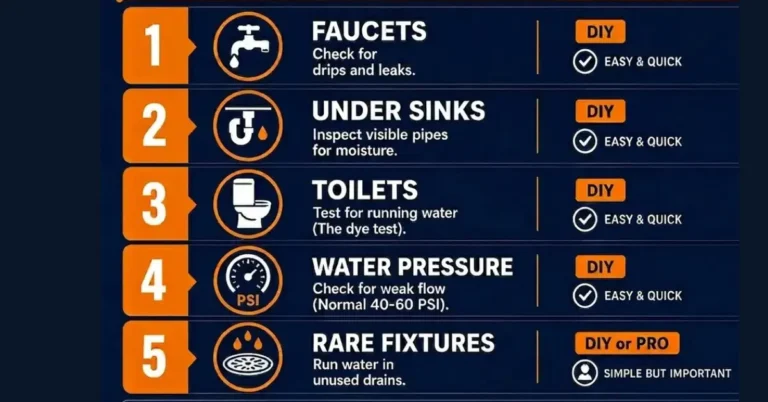
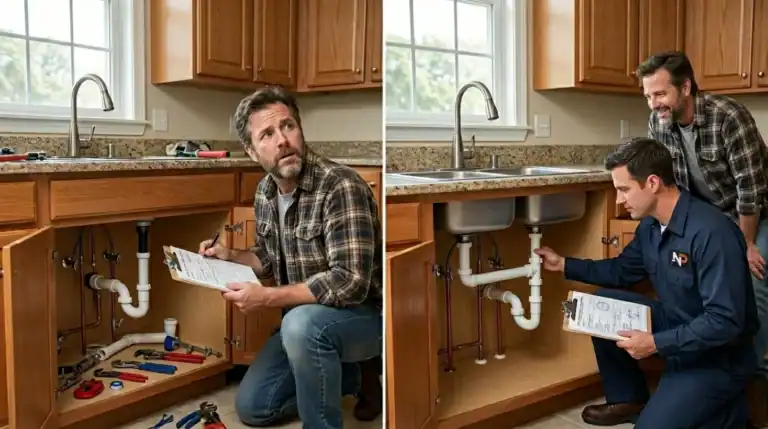
If one room runs noticeably colder than the rest of the house, have a plumber look at the pipes in that area before the next cold front. Our plumbing services across Lincoln page lists the areas we cover, and our plumbing inspection checklist covers the seasonal checks a technician will run.
Where Insulation Pays Off Most
Insulation holds heat around a pipe so it stays above freezing longer. You don’t need to wrap everything, only the lines that lose heat fastest.
Exposed Runs in Unheated Spots
Crawl spaces, unheated garages, and attics are where most lines get caught. Slip foam sleeves over every straight run, and don’t forget the elbows and joints, which lose heat quickly.
Supply Lines to Detached Buildings
A line running out to a shed, workshop, or barn often sits shallow and unheated. Check its insulation and any heat cable before the first deep freeze, and replace sections that are cracked or soaked.
Plumbing Inside Outside Walls
A pipe inside an exterior wall can freeze even when the room feels comfortable. If the wall cavity is empty, ask a plumber about options that protect the line without opening every surface.
Shutting Down the Outside Spigot
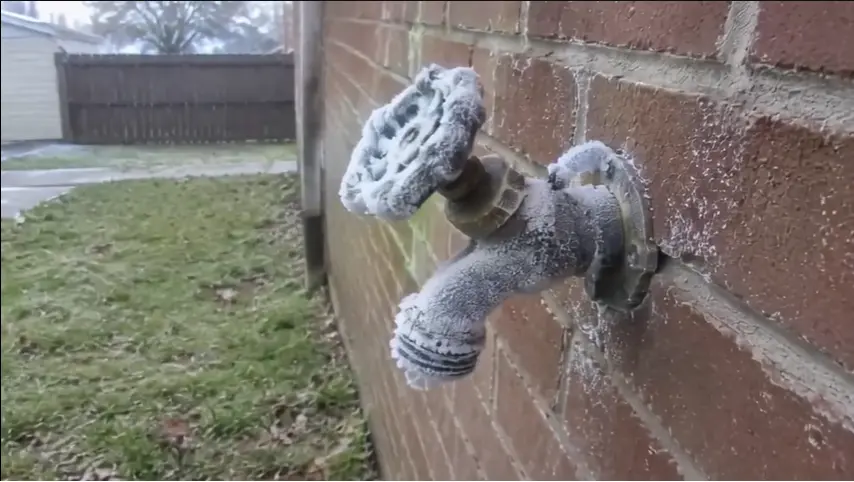
Water left inside an outdoor faucet is the most common reason a line bursts inside the house. Shut it down before the first hard freeze, not after.
- Unhook the hose and bring it indoors. A hose full of water can freeze and push ice back into the spigot.
- Close the indoor shutoff that feeds the outside faucet, if your home has one. It’s usually in a basement or crawl space, on the line running to the outside wall.
- Leave the outdoor faucet open through the winter so any leftover water can drain out of the line.
- Fit an insulated foam cover over the spigot to block wind and frost.
- Confirm the frost-free hydrant, if you have one, drains fully and its shutoff is closed.
If you can’t tell which valve feeds the outside faucet, a plumber can trace the line and label it. A label made today will save you a scramble on a bitter night.
Water Heater and Sump Pump Checks
Your water heater and sump pump carry more load in winter. A short inspection now can prevent a failure during a cold, wet week.
Water Heater
- ☐ Keep the setting near 120°F
- ☐ Flush the tank if it rumbles or runs out early
- ☐ Look under the tank for drips or rust
- ☐ Wrap hot lines that cross unheated space
Sump Pump
- ☐ Pour water in the pit to confirm it starts
- ☐ Clear the intake and check the discharge line
- ☐ Make sure the outlet drains away from the foundation
- ☐ Test the backup battery, if your unit has one
For repairs, our water heater repair in Lincoln service handles tank and connection problems. Symptoms that mean a call now are listed in our guide on signs your water heater is about to fail, and if you’re in Bethany, see water heater repair in Bethany.
Handling a Frozen Line Step by Step
A frozen line is not always a burst line. Until you know which one you have, handle it as if it could split.
- Open the faucet on the frozen line so meltwater has somewhere to go and you can judge how much flow remains.
- Close the main as soon as you see spraying, a bulge, or a crack, then call for emergency help.
- Warm the pipe gradually with a hair dryer, towels soaked in warm water, or a space heater kept well back from the line. Work from the faucet end toward the frozen section.
- Skip open flames and torches entirely. Keep fuel-burning heaters ventilated, since they can release carbon monoxide.

If a burst has already happened, shut the water off, photograph everything for your insurance claim, and read what to do when your basement floods. The CDC’s carbon monoxide guidance explains the warning signs to watch for while you thaw.
Knowing When the Checklist Isn’t Enough
Most of this list you can handle yourself. When a line stays frozen, leaks, or stops flowing altogether, bring in a licensed plumber.
We serve homes beyond the city limits too, including a plumber in Waverly, NE, a plumber in Hickman, NE, an emergency plumber in Havelock, NE, and drain cleaning in South Lincoln, NE.
Related Guides for the Full Year
These pages pick up where this checklist leaves off.
Plumbing Cleaning and Inspection Checklist
The routine inspections that catch small problems before they become cold-weather failures.
What to Do When Your Basement Floods
First steps to limit damage from a burst line or backup, and when to call for help.
Winter Plumbing FAQs
The questions Nebraska homeowners ask most as the temperature drops.
Begin in early fall, before nights drop near freezing. Insulation, spigot shutoffs, and sump pump tests are much easier before the ground and pipes get cold.
A slow drip during a hard cold snap can keep water moving through a line along an exterior wall. It works best alongside insulation and warm air, not in place of them.
Remove the hose, close the indoor shutoff if you have one, leave the outdoor faucet open so water drains out, and fit an insulated cover over it.
Open the faucet on that line, shut the main if you spot a split or bulge, and warm the section gently with a hair dryer or towels. Never use an open flame. Call a plumber if water still won’t flow.
Want Someone to Walk Your House Before the Freeze?
Next Plumbers, a team of licensed Plumbers in Lincoln NE, offers seasonal inspections and 24/7 emergency service across Lincoln, Bethany, South Lincoln, Havelock, Hickman, and Waverly. View all service areas or request a free estimate. See every service area, or request a free estimate.
📞 Call (402) 402-6816