Sewer & Pipe Repair
Polybutylene Pipe Problems in Lincoln NE
If your Lincoln home was built between 1978 and 1995, there’s a real chance it was plumbed with a gray plastic pipe called polybutylene — and unlike most plumbing issues, this one usually gives no warning before it fails. Here’s what it actually is, why it matters for a home in Lincoln specifically, and how to find out if you have it.
What polybutylene actually is
Polybutylene — often called PB, or sold under brand names like Qest and Vanguard — was a flexible plastic resin used for both supply lines and whole-house plumbing systems from 1978 until production stopped in 1995. It was marketed as the future of residential plumbing: cheaper than copper, faster to install, and resistant to freezing. Builders across the country used it in an estimated 6 to 10 million homes during that window, particularly in new construction, where the lower labor cost made it an easy choice.
For about a decade, it looked like a genuine upgrade over copper. Then homes started flooding.
1978–1995
The exact window polybutylene was in common use. If your Lincoln home’s plumbing dates to this period and hasn’t been replaced, it’s worth checking — not assuming either way.
Why Polybutylene Pipe Problems Happen Without Warning
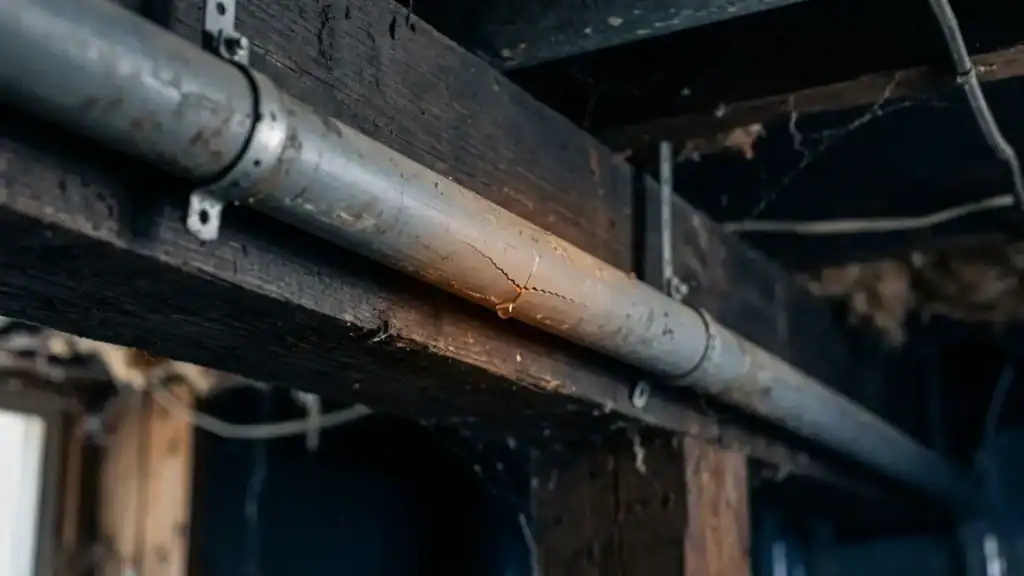
The core problem is chemical, not mechanical. Polybutylene reacts with chlorine and other oxidants commonly used to disinfect municipal water supplies. Over years of exposure, the interior wall of the pipe becomes brittle and develops microscopic fractures — invisible from the outside, undetectable by a routine visual inspection, and not reliably caught by a standard home inspection either. The pipe can look completely intact right up until it splits, often without any preceding drop in water pressure or other symptom to warn the homeowner.
This is what separates polybutylene from almost every other plumbing material issue: with corroding galvanized pipe, for example, homeowners usually notice discolored water or reduced pressure years before a full failure. Polybutylene skips that warning stage entirely.
The pipe can look completely intact right up until it splits — often without any drop in water pressure to warn you first.
Why this became one of the largest consumer settlements in U.S. history: by the mid-1990s, pipe and fitting failures had become widespread enough to trigger the Cox v. Shell Oil Co. class action, resulting in a settlement fund exceeding $950 million. That claims window closed in 2009 — any repair or repiping cost today is the homeowner’s responsibility alone.
Why this matters specifically for Lincoln homeowners
Lincoln’s housing stock includes a substantial number of homes built during exactly the years polybutylene was in common use — the building boom of the late 1970s through the mid-1990s touched neighborhoods across the city, not just one area. If your home falls in that window and has never had its supply lines replaced, this is worth checking, not assuming away.
There’s also a water chemistry angle that’s easy to miss: Lincoln’s municipal water is treated with chlorine as part of standard disinfection, which is completely normal and required for safe drinking water — but it’s also the exact oxidant that degrades polybutylene over time. Homes on Lincoln’s public water supply with original polybutylene plumbing have had decades of continuous exposure to the chemistry that causes this failure, whether or not any problem has shown up yet.
How to check if your home has polybutylene pipes
A few ways to check before assuming either way:
What to look for
Dull gray, blue, black, or white flexible plastic pipe, about ½” diameter
Plastic or metal crimp-style fittings, often stamped “PB2110”
Home build date between 1978–1995
Full determination behind finished walls
Where to check
Basement, crawlspace, where the main line enters the home
Any exposed fitting or connection point
Property records, inspection report, or county assessor site
Water heater connection, under sinks, at the main shutoff
Disclosure isn’t required. Polybutylene plumbing doesn’t have to be disclosed in most home sales, and inspectors aren’t always required to flag it either — so it’s entirely possible to own a home with polybutylene pipes for years without anyone mentioning it.
What to do if you find it
Not every polybutylene system needs immediate full replacement, but every one of them is a legitimate risk sitting in your walls. Homeowners generally have two paths:
Your two options
Full re-piping — replacing polybutylene lines with copper or PEX, done proactively before a failure causes water damage. This is the only way to fully eliminate the risk, and it’s often more cost-effective than dealing with an emergency failure and the resulting cleanup and repair.
Not sure if you actually have a leak yet? Our leak detection process can confirm it before you commit to re-piping.
Monitoring and targeted replacement — replacing sections as they’re exposed during other work, while keeping an eye on water pressure and any signs of moisture. This reduces cost up front but leaves the underlying risk in place until the whole system is addressed.
Given that failures tend to occur without warning and often go unnoticed behind walls or under flooring, most plumbers recommend proactive re-piping for anyone planning to stay in the home long-term, rather than waiting for a failure to force the issue. If your home is old enough to have polybutylene supply lines, it’s also worth having your sewer line checked — clay soil sewer line problems tend to show up in the same older Lincoln homes, often for related reasons of age and shifting ground conditions.
Frequently asked questions
Written by the Next Plumbers Team
Licensed, insured plumbers serving Lincoln, NE and surrounding neighborhoods. We inspect before we recommend — every re-piping conversation starts with a straight answer, not a scare tactic.
Not sure what’s running through your walls?
If your Lincoln home was built before 1995, our licensed Plumbers in Lincoln NE, can inspect your plumbing and tell you exactly what you’re working with, with no pressure, just a straight answer.