Signs Your Water Heater is About to Fail
No hot water can disrupt your entire day, turning a comfortable routine into a stressful scramble. Whether it is a freezing morning shower or a sudden puddle spreading across your utility closet floor, a broken water heater is a major headache for any household. If you are facing an emergency or need a dependable inspection, the team of licensed Plumbers in Lincoln NE at Next Plumbers provides full residential plumbing services to keep your home running smoothly.
Fortunately, these systems rarely quit without warning. Your water heater will almost always signal you that something is wrong internally before it stops working entirely. Learning to identify the early signs your water heater is about to fail can save you thousands of dollars in emergency structural damage, prevent mold growth, and help you avoid a chaotic, unexpected replacement.
Below, we break down the six most critical warning signs that mean your water heater is on its last legs, why they happen, and exactly how to fix them.
Inconsistent Hot Water or Sudden Temperature Fluctuations
One of the earliest signs of a failing system is a noticeable drop in heating performance. You might find that your water takes twice as long to warm up as it used to, or the temperature fluctuates wildly from hot to freezing cold right in the middle of a shower.
This issue is frequently caused by a thick layer of mineral sediment coating the bottom of your tank. Because of the heavy presence of hard water in Lancaster County, calcium and magnesium minerals naturally break down and settle at the base of the tank over time. This buildup acts as a physical barrier between the heating element or gas burner and the water inside. Your system has to run twice as long and work twice as hard just to heat the same amount of water, leading to rapid mechanical wear and tear.
Strange, Loud Noises Coming from the Tank
A healthy water heater should operate quietly in the background. If your utility room starts sounding like a construction zone every time a hot water tap is turned on, your system is under severe distress. Homeowners frequently report hearing loud popping, knocking, banging, or deep rumbling sounds coming directly from the tank.
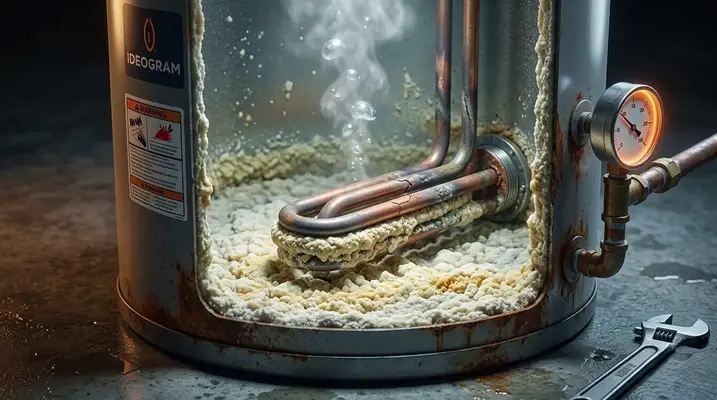
This noise is another direct side effect of long-term sediment accumulation. As mineral scale settles at the bottom of the tank over the years, it hardens into a thick, crusty layer. When the heating elements activate, water gets trapped underneath this hardened mineral crust. The trapped water boils, turns to steam, and violently bubbles through the sediment layer, creating distinct knocking or popping sounds. This constant physical pounding strains the steel tank, eventually causing microscopic fractures in the metal lining.
Rusty or Discolored Hot Water
When you turn on your faucets, your water should always run crystal clear. If your cold water looks perfectly fine but your hot water flows out with a muddy, red, or rusty tint, your water heater is actively deteriorating from the inside out.
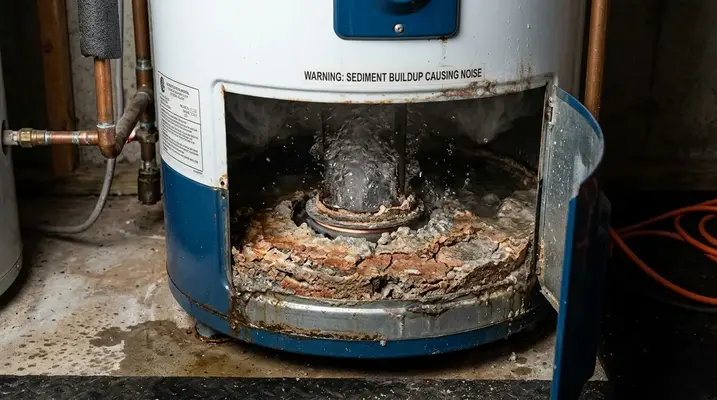
To prevent internal rust, every tank is equipped with a sacrificial anode rod. This rod is designed to attract corrosive elements in the water, sacrificing itself so the steel tank doesn’t rust. However, anode rods generally only last 3 to 5 years. Once the anode rod completely degrades, those corrosive minerals begin eating away at the interior steel walls of your water heater. If your hot water is running rusty, it means the tank itself is actively corroding, and a major leak is imminent.
Water Accumulation and Visible External Leaks
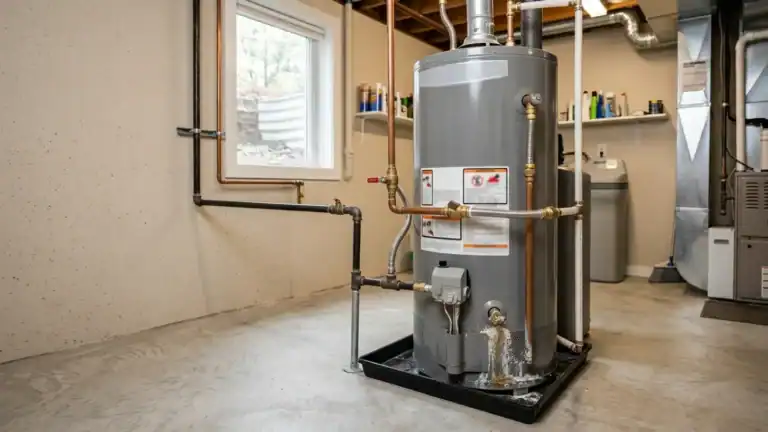
Finding standing water, persistent moisture, or active dripping around the base of your water heater is an immediate red flag. A leaking tank is a structural emergency that requires swift professional intervention.
Metal naturally expands when it heats up and contracts as it cools down. Over a decade of these constant temperature cycles, the structural steel of your tank experiences intense fatigue. When combined with internal rust or sediment stress, the metal eventually develops hairline fractures.
If you spot an active puddle in your mechanical room, turn off the power supply and water main immediately. You will need to contact a professional for emergency Water Heater Repair in Lincoln, NE to protect your basement or utility room from severe water damage.
A slow leak at the base of the tank is one of the clearest signs — if you’re not sure, our leak detection service can confirm it.
Signs Your Water Heater Is About to Fail: Low Hot Water Pressure
Have you noticed a strong, steady stream of water when using the cold tap, but only a weak trickle when you switch entirely to hot water? A sudden drop in hot water pressure is a highly specific symptom of a failing plumbing system.
When severe scale and mineral sediment build up inside your tank, chunks of the hardened crust can break off and travel into the distribution lines.
Lancaster County’s groundwater is naturally high in calcium and magnesium. According to regional research on water quality from UNL Extension, these minerals can settle heavily inside your plumbing infrastructure over time, leading to severe tank scaling and sudden appliance failure.
These mineral deposits frequently become lodged right at the hot water outlet valve or within the copper piping immediately leading away from the heater. This physically chokes off the water supply line, restricting water flow and forcing your household to deal with incredibly weak water pressure.
The Unit Has Outlived Its Lifespan
Even if your water heater isn’t showing obvious signs of distress yet, its age alone can tell you everything you need to know about its structural integrity. Traditional tank water heaters are engineered to last between 8 to 12 years.
If your unit is creeping into double digits, the internal components are operating on borrowed time. Modern manufacturing standards mean that older units become significantly less energy efficient as they age, driving up your monthly utility bills. Keeping a close eye on the manufacture date listed on your water heater’s serial sticker will help you plan ahead rather than waiting for a catastrophic failure.
How to Extend the Life of Your Water Heater
You can keep your water heater running efficiently and delay a total breakdown by practicing basic, routine preventative maintenance:
Flush the Tank Annually: Draining and flushing your tank once a year removes loose sediment before it hardens into a disruptive crust.
Inspect the Anode Rod: Check the condition of your sacrificial anode rod every few years and replace it promptly if it is completely worn down.
Test the T&P Valve: Ensure the temperature and pressure relief valve is functioning correctly to prevent dangerous pressure spikes inside the tank.
Call Next Plumbers for Reliable Water Heater Service
Spotting the signs your water heater is about to fail early gives you the power to choose your solution rather than waiting for an emergency flood to make the choice for you. Whether your system needs a heavy sediment flush, a component replacement, or an upgrade to a highly efficient new model, acting quickly is key to protecting your property.
At Next Plumbers, we specialize in accurate diagnostics, transparent options, and durable fixes. Don’t wait for your hot water to disappear entirely. Schedule Your Water Heater Repair in Lincoln, NE with our licensed team today, or give us a call to restore comfort and peace of mind to your property.